
Many women spend their thirties and early forties believing that the menopausal transition begins with hot flashes. They expect their monthly bleeding to stop cleanly, like a light switch flipping from on to off. Yet the human endocrine system rarely works in sudden absolutes. Instead, the transition usually arrives quietly through small, puzzling changes: sleep that fractures at three in the morning, a menstrual cycle that shortens by four days, or an unfamiliar surge of anger the week before bleeding starts.
Perimenopause is this transitional runway. During this time, the ovaries gradually exhaust their supply of viable eggs, and the predictable feedback loop between the brain and the ovaries starts to change. Understanding how these biological gears mesh together can turn a confusing physical experience into an orderly, manageable process. When you know why your body behaves this way, you can make clear, grounded decisions about your daily routine, your nutrition, and your medical care.
What is perimenopause: clearing up common timeline misunderstandings
The term menopause refers to a single point on a calendar: the day that marks twelve full consecutive months without a menstrual period, occurring at an average age of fifty-one. Perimenopause, by contrast, is the entire biological passage leading up to that mark. This span commonly lasts between four and eight years, though it can run as short as two years or extend past a decade for some women. It most frequently begins during the early-to-mid forties, but subtle biological alterations can appear in the late thirties.
Why does this transition take years instead of months? The process depends on a diminishing supply of ovarian follicles. Every woman is born with all the ovarian follicles she will ever have. Each follicle houses an immature egg wrapped in hormone-producing cells. By the time a woman enters her forties, that reserve has fallen to a small fraction of its original size. The remaining follicles do not simply vanish; rather, they become less sensitive to the signaling proteins sent by the pituitary gland.
Because these remaining follicles respond erratically, the ovaries no longer produce estrogen and progesterone in smooth, predictable curves. One month might bring standard hormone production with textbook ovulation, while the next month might feature an egg that fails to release, followed by an unusual spike in circulating estrogen. It is this volatility, rather than a steady, orderly decline, that defines perimenopause.
Understanding this distinction matters because many women discount their experiences. They assume that because they still bleed every month, or because they are only forty-one, they cannot be in perimenopause. Recognizing that cycle regularity can fluctuate long before bleeding stops helps women make sense of their early symptoms without unnecessary worry.
The hormonal balance: why progesterone tends to decrease first
To understand the first clues of perimenopause, it helps to picture a simple playground see-saw. On one side sits estrogen, specifically estradiol, which acts as the body's building hormone. Estrogen stimulates tissue growth, thickens the uterine lining, and promotes energy and fluid retention. On the other side sits progesterone, which acts as the stabilizing, calming counterweight. Progesterone halts the growth of the uterine lining, promotes deep sleep, supports the central nervous system, and eases anxiety.
Under typical reproductive conditions, the see-saw remains balanced throughout a monthly cycle. The ovaries produce estrogen during the first two weeks. Then ovulation occurs, and the empty follicle transforms into a temporary endocrine structure called the corpus luteum. This structure produces generous amounts of progesterone for roughly two weeks. If pregnancy does not occur, the corpus luteum dissolves, both hormone levels drop, and menstruation begins.
What happens when ovulation fails? In perimenopause, the ovaries frequently skip the release of an egg, an event known as an anovulatory cycle. Without an egg release, no corpus luteum forms. Without a corpus luteum, the body produces very little progesterone during the second half of that cycle. Meanwhile, the follicles may have produced substantial amounts of estrogen earlier in the month.
The result is a state often called estrogen dominance or relative estrogen excess. This does not always mean estrogen is objectively high. Instead, it means estrogen sits completely unopposed because progesterone has fallen to baseline levels. This imbalance explains why early perimenopausal symptoms often look like an amplified version of classic premenstrual tension: swollen breasts, fluid retention, headaches, and heightened nervous tension.
Early signs: cycle shifts, altered mood, and heightened premenstrual symptoms
The earliest signals of perimenopause rarely announce themselves as the textbook symptoms printed on clinic brochures. Hot flashes and night sweats often appear later in the transition. The opening chapters are typically characterized by subtle changes in rhythm, mood stability, and physical comfort.
The most common first clue is a change in the interval between periods. For many women, cycles that used to arrive reliably every twenty-eight days suddenly arrive every twenty-four or twenty-two days. This shortening happens because the brain, sensing sluggish ovarian follicles, releases follicle-stimulating hormone earlier in the cycle, which accelerates follicular recruitment. Later in the transition, the pattern often reverses, producing cycles that stretch forty-five or sixty days apart.
The emotional landscape frequently shifts alongside the calendar. Progesterone metabolizes into a neurosteroid called allopregnanolone, which interacts directly with GABA receptors in the brain. GABA is the primary inhibitory neurotransmitter in the central nervous system; it acts like the brain's natural calming agent. When progesterone levels drop, allopregnanolone drops too. This biological mechanism can trigger unexpected irritability, uncharacteristic social anxiety, and early morning waking, particularly between two and four in the morning.
| Category | Baseline Reproductive Years | Early Perimenopausal Transition |
|---|---|---|
| Cycle Length | Stable (consistently 27 to 30 days) | Shortened by 3 to 7 days, or highly variable |
| Bleeding Pattern | Predictable duration, moderate volume | Erratic: alternate light spotting and heavy flow |
| Sleep Continuity | Generally steady across the month | Waking with racing thoughts 3 to 5 days before flow |
| Premenstrual Mood | Brief, mild irritability or fatigue | Intense anger, brain fog, or sudden weeping spells |
| Breast Tissue | Mild, transient tenderness | Persistent soreness and noticeable fluid retention |
Alongside mood and timing shifts, physical symptoms often become more pronounced. Lower progesterone combined with unopposed estrogen causes the lining of the uterus to thicken excessively. When that lining finally sheds, it can lead to heavier bleeding, often accompanied by small clots. Many women also notice sudden joint aches, changes in skin hydration, and tension headaches that cluster right around the start of their period.
Why single-day blood hormone tests often give inconclusive answers
When women suspect something is changing, their first instinct is often to ask their doctor for a blood test to check hormone levels. They want a clear, numerical value confirming that perimenopause has arrived. Unfortunately, standard single-day blood draws regularly come back with a confusing verdict: everything looks entirely normal.
Why do these tests fail to provide clarity? Think of taking a single photograph of a roller coaster. If the camera captures the car right at the middle of the track, you cannot tell whether the ride is moving slowly, hurtling downward at top speed, or stopped entirely. Perimenopausal hormones act like that roller coaster. Estradiol can measure 45 picograms per milliliter on Tuesday morning, soar to 380 picograms per milliliter by Thursday afternoon, and plummet back down by the weekend.
Follicle-stimulating hormone, often called FSH, presents the same challenge. The brain releases FSH to prompt the ovaries into action. When the ovaries respond slowly, the brain shouts louder by pumping out more FSH. However, on a month where a healthy follicle happens to develop, FSH falls back down to a standard reproductive range. A single blood test merely shows the concentration of a hormone at that exact minute, not the wild swings happening over weeks.
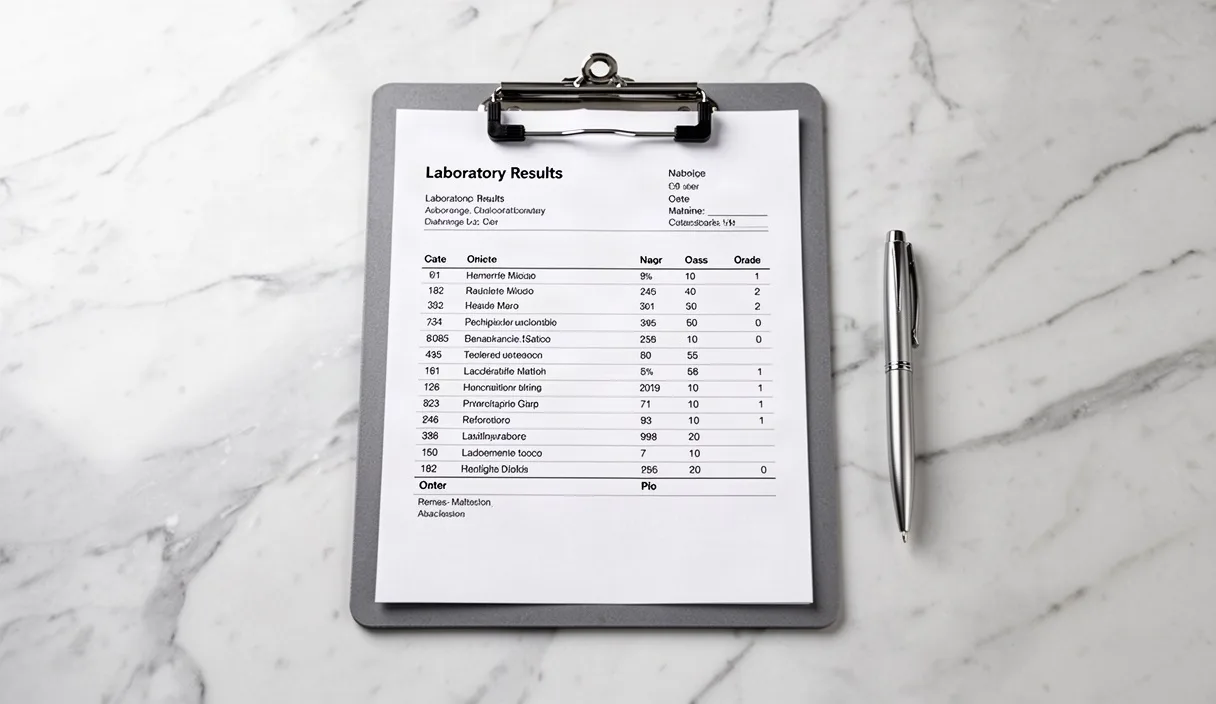
Because of this constant fluctuation, major clinical guidelines state that perimenopause is a clinical diagnosis, not a laboratory one. Doctors diagnose it by listening to a woman's age, tracking her symptom timeline, and reviewing changes in her menstrual calendar. Routine hormone testing is rarely necessary unless a provider needs to rule out other conditions that mimic these changes, such as thyroid dysfunction, elevated prolactin, or iron deficiency anemia.
Lifestyle levers that support natural hormone clearance through the liver
While you cannot force aging ovaries to produce more follicles, you can change how your body processes the hormones circulating in your bloodstream. The liver and digestive tract serve as the primary processing plant for used hormones. When estrogen finishes its work, the liver breaks it down into chemical metabolites, and the intestines escort those metabolites out through bowel movements. Supporting this internal plumbing can significantly reduce the discomfort caused by unopposed estrogen.
The liver processes estrogen through two sequential stages, commonly called Phase I and Phase II purifying wellness. In the first stage, liver enzymes break estradiol down into smaller molecules. In the second stage, the liver binds those molecules with nutrients such as sulfur, glycine, or methyl groups, which makes them water-soluble so they can travel safely into bile and urine. If this pathway lacks the necessary nutritional raw materials, estrogen metabolites can linger or re-enter circulation, amplifying breast pain and fluid retention.
To support this clearing pathway, focus on four targeted daily habits:
- Eat cruciferous vegetables daily: Broccoli, Brussels sprouts, cabbage, arugula, and kale contain indole-3-carbinol and sulforaphane. These compounds support liver pathways that direct estrogen into safer, gentler metabolites. Aim for one to two cups cooked or raw every day.
- Increase dietary fiber to 30 grams per day: Once the liver sends estrogen into the intestines via bile, dietary fiber binds to it like a sponge. If transit time is slow, an intestinal enzyme called beta-glucuronidase can uncouple that bond, allowing estrogen to be reabsorbed into your blood. Ground flaxseeds, chia seeds, and legumes provide rich sources of soluble and insoluble fiber that prevent this reabsorption.
- Drink 2 to 2.5 liters of clean water: Proper hydration keeps renal clearance active and prevents the sluggish bowel movements that allow recirculating hormones to build up.
- Limit alcohol intake to occasional use: The liver prioritizes processing alcohol above almost all other tasks. While the liver is busy neutralizing ethanol, estrogen clearance stalls, leading to higher circulating estrogen levels over the next 24 to 48 hours. Reducing alcohol intake often produces immediate improvements in sleep continuity and night sweats.
When to consult a specialist about targeted medical support options
Lifestyle habits build a solid physical foundation, but they are not always enough to resolve disruptive hormonal fluctuations. Perimenopause is a normal life process, but that does not mean you have to endure chronic sleep deprivation, debilitating mood crashes, or heavy blood loss without medical help. Knowing when to reach out to a healthcare professional allows you to take advantage of safe, modern therapies before your quality of life deteriorates.
Certain clinical signs call for prompt medical evaluation. You should schedule an appointment with a gynecologist or menopause specialist if you experience any of the following:
- Bleeding so heavy that you soak through two or more sanitary pads or tampons per hour for two consecutive hours.
- Menstrual cycles that consistently arrive less than twenty-one days apart.
- Bleeding that lasts longer than eight days in a single cycle.
- Spotting or bleeding immediately after sexual intercourse.
- Sudden, severe depressive episodes, panic attacks, or thoughts of self-harm that appear out of character.
When you speak with an informed provider, you can discuss evidence-based daily routine. These options do not rely on guesswork; they are backed by rigorous clinical trials. For many women, cyclical oral micronized progesterone, taken during the final twelve to fourteen days of the cycle, restores sleep and calms the nervous system by replacing the exact hormone the ovaries are failing to produce. For others, a low-dose transdermal estradiol patch, paired with uterine protection, stabilizes the brain's thermostat and stops early hot flashes and mood swings.
Women who suffer primarily from heavy, erratic bleeding often benefit from a levonorgestrel-releasing intrauterine device (IUD). This provides local uterine protection that significantly thins the endometrium and prevents blood loss, all while leaving the ovaries free to continue their transition. Non-hormonal prescription options, such as neurokinin-3 receptor antagonists or certain selective serotonin reuptake inhibitors used at low doses, can also treat severe vasomotor symptoms if hormonal therapies are medically contraindicated.
Common mistakes
When navigating early hormonal changes, many women fall into traps that prolong their discomfort. Recognizing these common errors can save months of frustration:
- Waiting for hot flashes to take action: Many women believe they cannot be perimenopausal because they do not have hot flashes. Dismissing early restful sleep support, brain fog, and cycle shortening as stress or aging prevents them from seeking helpful care early.
- Spending money on commercial saliva hormone panels: Mail-in saliva or urine kits frequently claim to chart your monthly hormone cycle. Because perimenopausal hormones fluctuate drastically from day to day, these expensive kits rarely yield actionable clinical insights.
- Stopping birth control abruptly without a medical plan: Some women stop oral contraceptive pills in their early forties to see what their natural cycle is doing, only to be hit with heavy bleeding, rapid skin changes, and severe sleep loss. Always coordinate changes in contraception with your prescribing clinician.
- Ignoring iron stores during heavy bleeding phases: When periods become heavier, ferritin (stored iron) drops before obvious anemia shows up on a standard complete blood count. Low ferritin causes profound fatigue, hair thinning, and heart palpitations, which are easily confused with worsening hormone imbalance.
Practical next steps
Rather than feeling overwhelmed by these shifts, you can take a series of orderly, manageable steps starting today to regain control of your health.
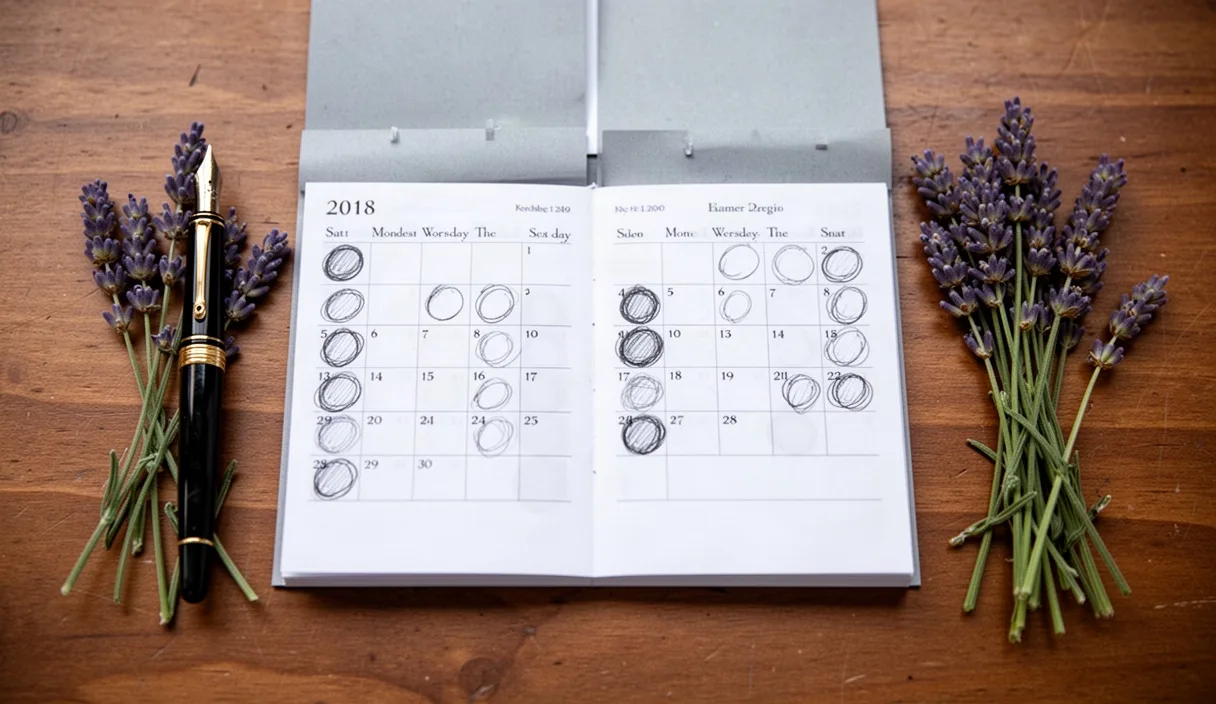
First, begin precise tracking. Download a cycle-tracking application or use a paper calendar to record your cycle length, the flow intensity on each day, your sleep quality, and your daily mood. Instead of recording vague notes, log concrete details: mark days with severe breast tenderness, wake-ups between two and four in the morning, or sudden midday brain fog. Three months of clear data gives your healthcare provider far more useful information than any single blood test ever could.
Next, book an appointment for baseline blood work to rule out non-hormonal imitators. Ask your physician to run a complete blood count, a ferritin test to check your iron stores, a full thyroid panel (including TSH and free T4), and a metabolic panel. Thyroid disorders and iron deficiency mimic perimenopausal fatigue and mood shifts almost point for point, and addressing them can quickly clear up lingering symptoms.
Finally, evaluate your daily plate. Add two tablespoons of freshly ground flaxseed to your morning meal and ensure that at least one of your main meals contains a generous serving of cruciferous vegetables. Pair this with a conscious boundary around caffeine and evening alcohol for the next two weeks. Observe whether your middle-of-the-night waking calms down. By pairing clean daily habits with systematic tracking and qualified medical guidance, you can navigate the perimenopausal transition with physical resilience and steady confidence.